“My son’s a gamer.” These four words could potentially be the most awkward admission the modern-day parent feels they can make to their parenting peers. For Christian parents, if we are truly transparent with one another, there are no real “rules” for navigating this space, no personal teenage experiences to draw on that even vaguely resemble this.
If I were to say the word “Fortnite” in the school car park a few months back, the looks of despair were palpable. What will be the next game title to elicit similar looks of dread and hopelessness?
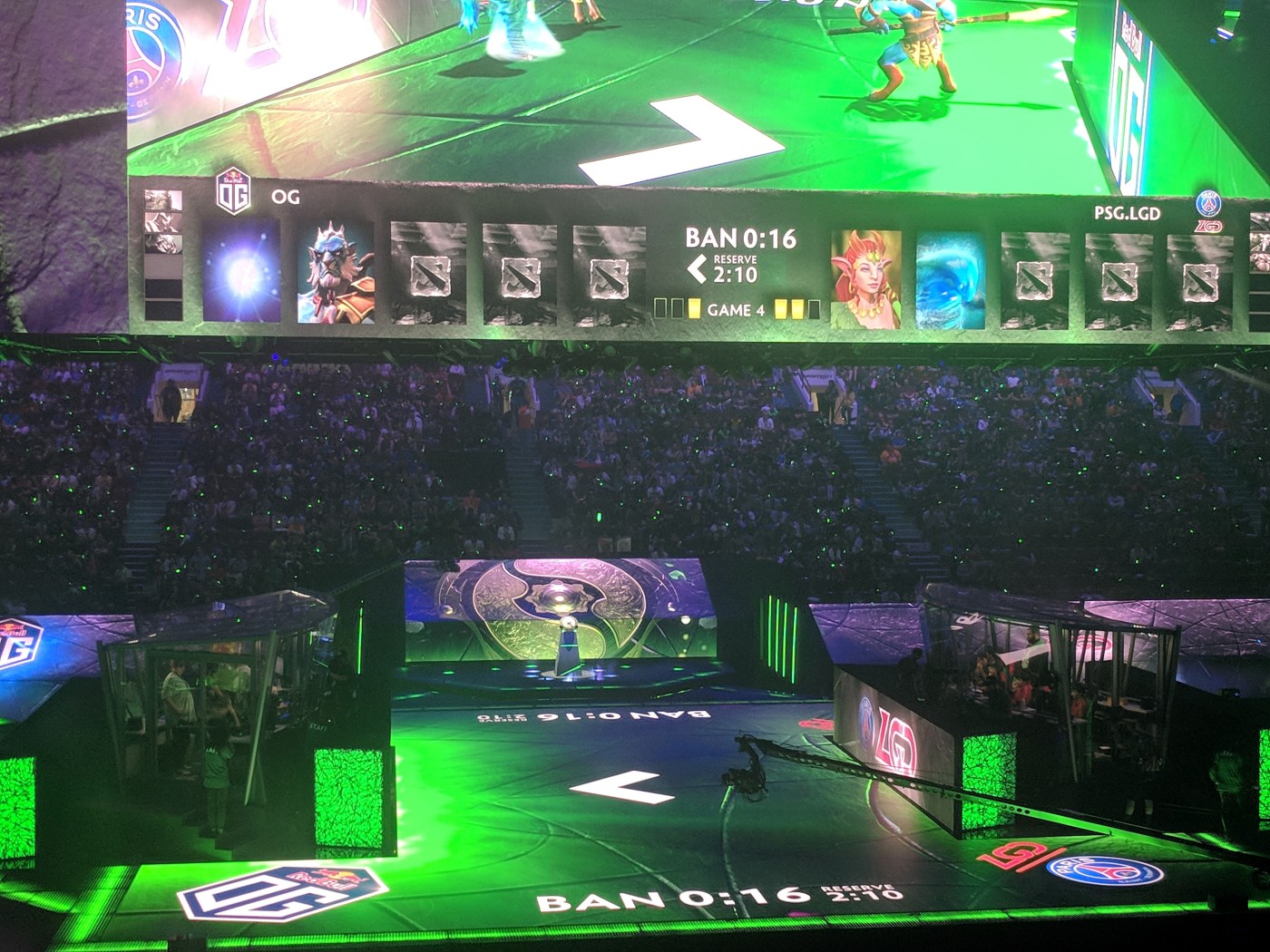
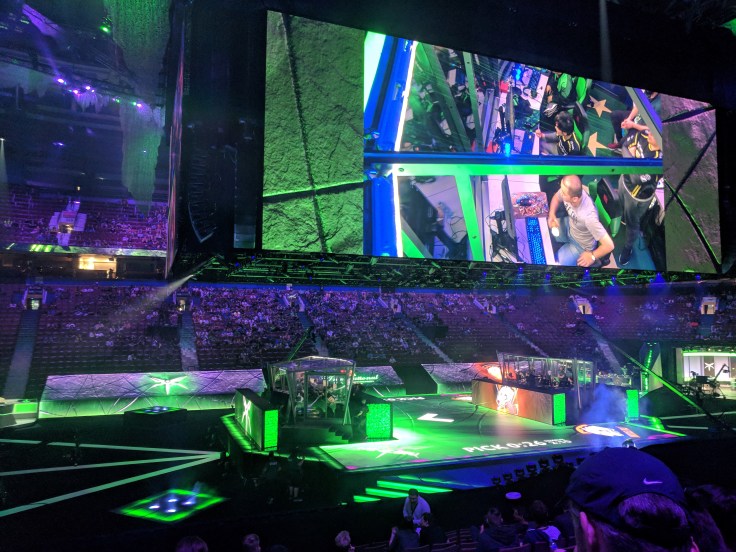
My co-author, and son, Ben is 19 and has just returned from overseas – his first trip abroad, self-planned and self-funded. One of the key outcomes for Ben to achieve on the trip was to experience, first-hand, a games tournament in Vancouver. I wanted him to go; not with some Machiavellian hope that he would somehow realise the folly of his ways – not at all!
Rather, it fitted with our parenting approach as it applied to online games environment – a realm we have come to understand in the greater context of our children and their growth to adulthood connecting with the world, as they have approached it through a biblical lens.
It’s a couple of decades since our children were born. Our home was inundated with toys, colours, books and “things” that would make the new-borns world FUN! Not boring, not subdued. It was colours, wonder, sensory stimulation. Pre-school rites of passage focused on the building of the child’s ability to play well with others their own age, and to learn to take cues. Boundary setting was part of this development in the young one’s mind.
School starts, and curriculum kicks in. Formal learning processes become more dominant, and yet, lessons are learnt in the playground. Serious, and fun, learning experiences happen.
What aboutworking in teams? Remember that first weekday afternoon/ Saturday morning, where our young one first goes to a footy/cricket clinic, choir practice, karate class. It could be many things, but fun, fellowship, learning rules and boundaries are part of the experience. Even the next world-class cricketer starts as a youngster in a cricket clinic as a six-year-old somewhere in the suburbs.
Home life involves self-directed play. Learning to play board games, learning to be a gracious loser, waiting your turn. It should involve self-amusement.
So, my question is … “why do we have such a problem with online games”?
Ben here. The reality is, for my generation, online gaming is just another way of exercising and developing these same skills mentioned above. Playing online games requires just as much teamwork, sharing and communication as playing a game of soccer or footy. It can actually, in some facets, offer more – it requires you to be very versatile because you could easily l find yourself working together with a huge array of people from different walks of life. This does require elements of moderation from the gamer, but done well, it allows for a diverse range of learning experiences, and can enable a gamer to develop a greater respect for the diverse world we are growing up in.
Online games (including video games) can give the player a chance to explore the morality of their actions in a controlled environment, outside the real world where those actions can potentially have greater consequences. If a player makes a mistake and experiences the knock-on consequences of it within the video game, and is taught an important lesson, they now have something they can apply in life, offering a great opportunity for personal growth.
These examples are just the tip of the iceberg. Yes – raw enjoyment is also part of it. But a gamer can, and should tell their loved ones how what they do in this realm, that it can actually build them up as people – this kind of self-reflection helps us all! Go on – have a chat – conversations show interest and build closer relationships anyway 😉
It’s Tim here again: As parents, God gives us an awesome responsibility. In faithful obedience, we seek to raise our children to reflect the reality that they “carry the image of God” as his created beings. We pray they understand good and evil, respecting and honouring those they meet; in formal and casual settings. At work and play. To observe rules, to be selfless, to be gracious and godly in their demeanour as they engage with the world.
I am convinced that fun, games and enjoyment are part of that preparation of children. Not obsession, not unnecessary and continual exposure to dishonourable situations. But, for me, whether it’s a game on a board, in a hand of cards, on a court, on a field or on a screen, the same principles apply. When it builds up Godly character, go for it. When it can teach you lessons that bring you greater understanding of God and what his offer of redemption for each of us means – go for it.
For those of us parents concerned that you don’t know what is going on because you can’t see “it” or you’ve never experienced it – consider Ben’s approach to making it easy for Kris and me. He has three screens on his computer – often with two going at the one time “gaming”. They are in full view and not in his bedroom. As Ben’s parents, we are suddenly much more relaxed, because we can see it all. This set-up gives us easy opportunities to talk. That builds trust and helps us explore more what his online world actually looks like as he has navigated towards young adulthood.
Tim Argall is Executive Principal at Donvale Christian College. Ben Argall is a serious player in the “Dota 2” world. Each thinks the other should get a real job ☺. They have known each other for 19 years, have played soccer competitively together and love hanging out (with each other) when good food, cricket and interesting people are a possibility. Tim doesn’t like board games, Ben collects them as a hobby. Tim can’t play Mario® at all, Ben’s seriously good at it. And still, they love each other!
 educating 4 life, too
Leave a comment