Joshua 4:1-3. “When the whole nation had finished crossing the Jordan, the Lord said to Joshua “Choose twelve men from among the people, one from each tribe, and tell them to take up twelve stones from the middle of the Jordan, from right where the priests are standing, and carry them over with you and put them down at the place where you stay tonight.”
22:19-20. “And he took bread, and when he had given thanks, he broke it and gave it to them, saying, “This is my body, which is given for you. Do this in remembrance of me.” And likewise, the cup after they had eaten, saying, “This cup that is poured out for you is the new covenant in my blood.”
In the Old Testament, God’s people did, from time to time, set up altars of remembrance, to mark moments in their history Israel needed to remember. We see, in Joshua 4, the moment of triumph – crossing the Jordan – being marked by the setting up of a rock altar as a place of worship to God, acknowledging how He had been with them as they crossed the Jordan River. God had provided for them; he had protected them; he had helped them conquer. Human memories fail; here, in this narrative, God is encouraging his people to pause, when they see this permanent reminder, and remember this and other events in their lives where God has shown himself to be all powerful in the lives of his people.
In the gospel narratives, during the climactic moments of the week leading up to Jesus’ death, he withdraws with his disciples to have a meal. And the meal is to become very memorable, because of the symbolism Jesus places on the breaking of bread and the drinking of wine. This is a command to remember – again, of how God loves, how God provides, how God protects, how God conquers. As Christians together, the symbols Christ gave his followers form the basis of our worship times when communion (the Lord’s Supper) is shared. It is vital we remember.
~~~~~~~~~~~~~~~~~~~~~
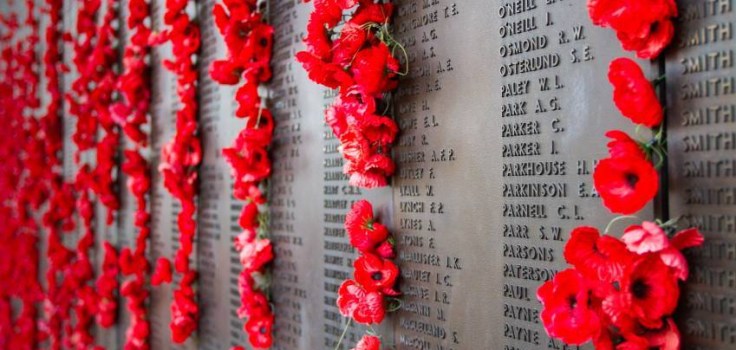
Each year, moments of significant national history are commemorated on gazetted days of the calendar. April 25 and November 11 are considered significant days in the history of Australia, and they are set apart for the historic events that point to the liberty we have as a nation, having gone to war to protect our collective freedom during the 20th century.
On Monday morning next week, all Primary and Secondary students will gather on the main oval of the College at 8.30 am, at the beginning of lessons, as we conduct an observance, to acknowledge Remembrance Day this Saturday. We will pause to note its historic significance and to focus, through prayer and silent respect, on the sacrifice of others on behalf of us all. If you can join us then, you’d be most welcome to do so.
 educating 4 life, too
Leave a comment